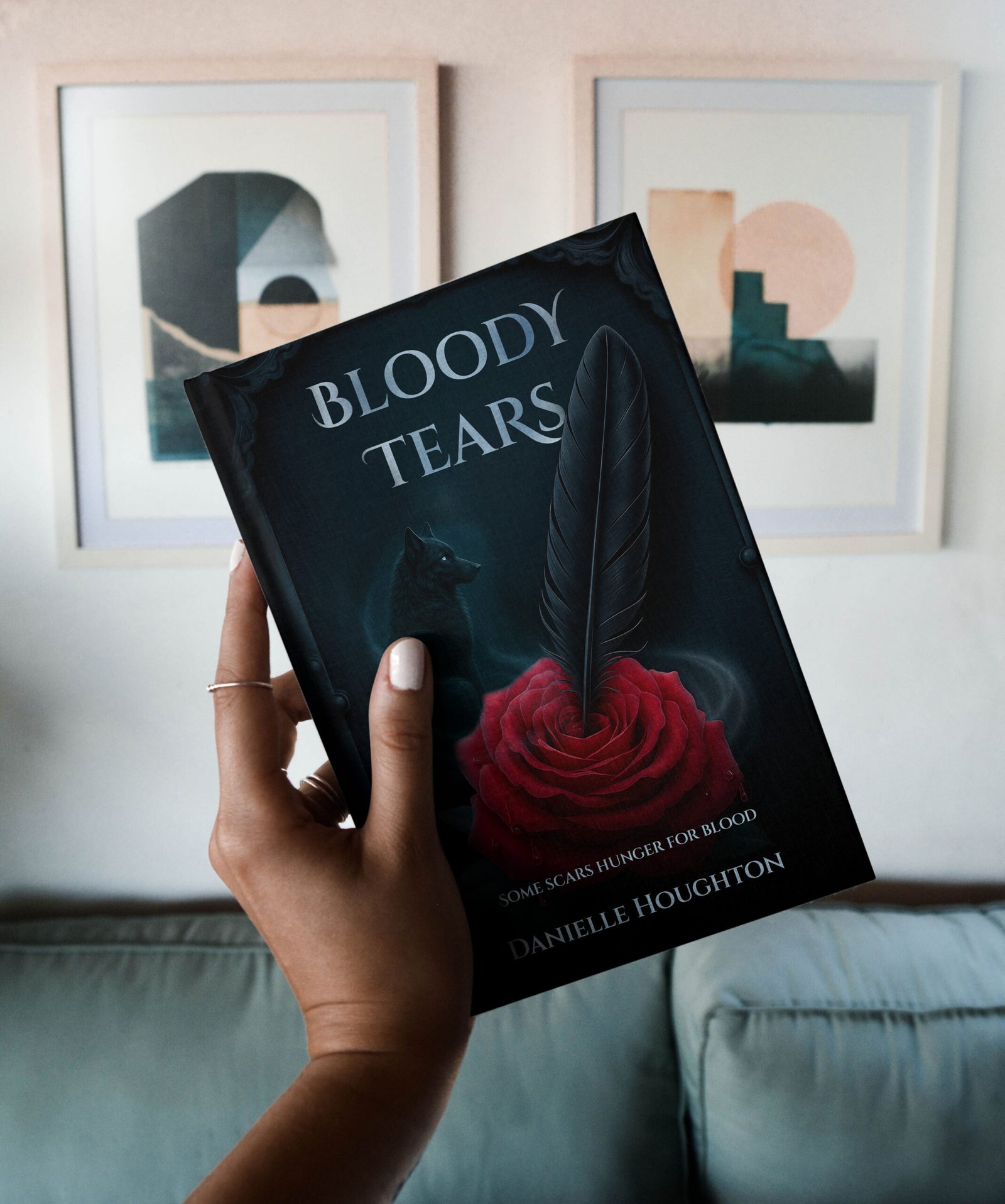
There is a reason gothic stories never truly disappear.
Long after trends shift and genres blur, readers continue to return to dark corridors, haunted houses, fractured minds, and women who refuse to be silenced. Gothic fiction doesn’t exist to frighten us—it exists to tell the truth in a language we feel rather than understand.
At its heart, the gothic is about what we bury. Desire. Rage. Grief. Memory. It asks what happens when those things are left unattended—and what it costs to survive them.
When I began writing Bloody Tears, I wasn’t interested in creating horror for shock value. I wanted to explore the quiet, lingering kind of fear—the kind that lives in memory and resurfaces when we least expect it. The gothic allows space for that discomfort. It gives us permission to sit with what is unresolved.
Modern gothic fiction, especially stories centered on women, often becomes a form of reclamation. It takes pain that has been minimized or hidden and gives it weight. It says: this mattered. And in doing so, it offers readers something rare—recognition.
If gothic stories continue to endure, it’s because they remind us that darkness is not the opposite of healing. Sometimes, it’s where healing begins.